Dana Schmid · 2 September 2026
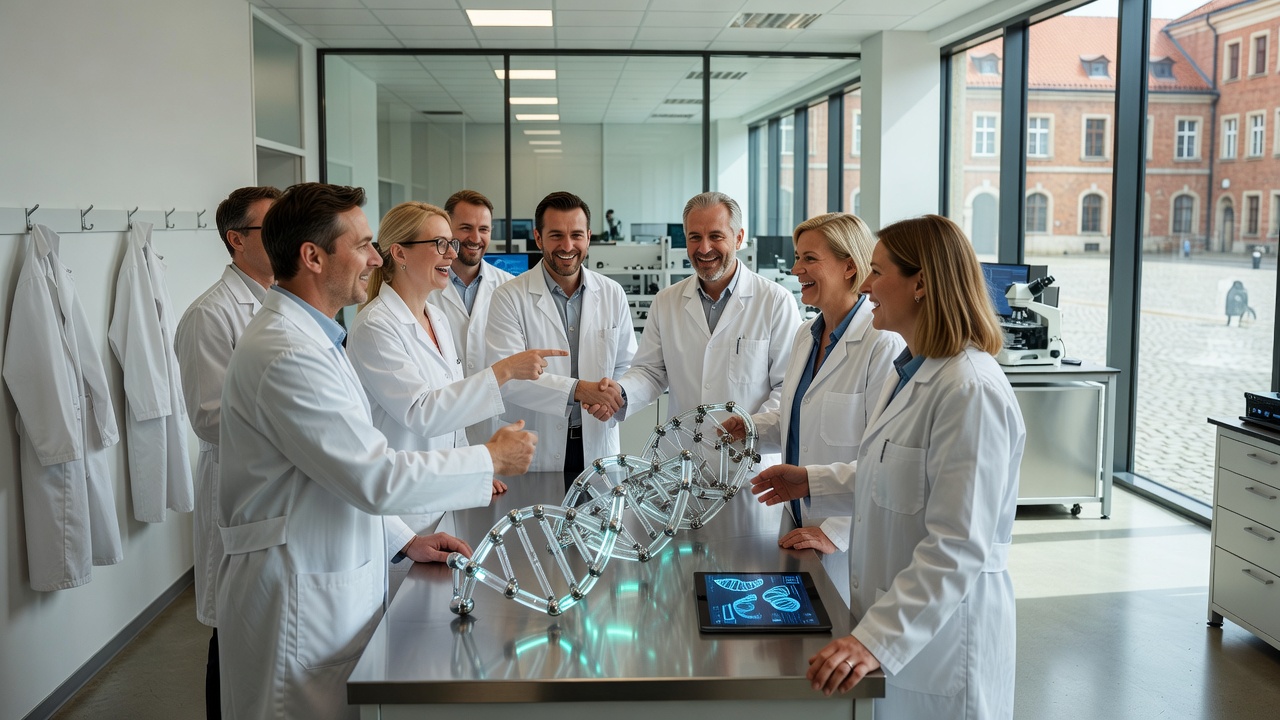
Polish universities have obtained substantial government grants to advance research in helix modeling techniques. The funding supports interdisciplinary projects linking computational biology with educational initiatives at institutions focused on Helix Path Education. Several leading academic centers in Warsaw and Krakow will collaborate on developing precise models of helical structures for applications in biotechnology and materials science.
Allocation of Research Resources
The allocated funds exceed 45 million PLN and will be distributed over three years. Project teams plan to enhance simulation software that predicts protein folding patterns and DNA interactions. Faculty members emphasize the role of these models in training the next generation of researchers through specialized Helix Path curricula. Equipment upgrades include high-performance computing clusters dedicated to molecular dynamics studies. Partnerships with industry partners ensure practical validation of theoretical outcomes. Students enrolled in advanced programs gain access to real-time data sets derived from ongoing experiments.
Educational and Scientific Outcomes
Integration of new modeling tools into university courses strengthens practical skills for participants in Helix Path Education modules. Workshops scheduled for the upcoming semester will cover algorithm optimization and data interpretation methods. Early results indicate improved accuracy in predicting structural behaviors under varying environmental conditions. Researchers anticipate publications in peer-reviewed journals within the next 18 months. The initiative also promotes cross-border exchanges with European laboratories specializing in similar computational approaches. Long-term goals include establishing a national repository for helix-related datasets accessible to all participating educators and students.